"Frequency-based audio" covers a wide family of recordings: binaural beats, isochronic tones, solfeggio-style tracks, nature soundscapes with tones layered underneath, and products like The 33rd Frequency that blend several sound layers into one session. Here's what these terms mean and what the evidence actually supports.
The main types of frequency audio
- Binaural beats: two slightly different tones, one in each ear. Your brain perceives a third "beat" at the difference between them, which is why headphones matter for this format.
- Isochronic tones: a single tone switched on and off rapidly. These work without headphones.
- Specific-frequency tracks: recordings built around a named frequency (for example 432 Hz) or a concept like the "33rd Frequency."
- Layered soundscapes: ambient textures, drones and tones mixed together for an immersive feel.
What the research says
The best-known evidence concerns binaural beats. A 2019 meta-analysis of 22 studies found an overall moderate effect on attention, anxiety and pain perception. The size of the effect depended on the beat frequency and how long people listened. Music more broadly is the subject of NIH research through the Sound Health initiative, and NCCIH's overview of music and health describes promising but often preliminary findings.
Research on a category of sound doesn't prove that any specific product works, and no research shows that a frequency can attract money or change external events.
Where The 33rd Frequency fits
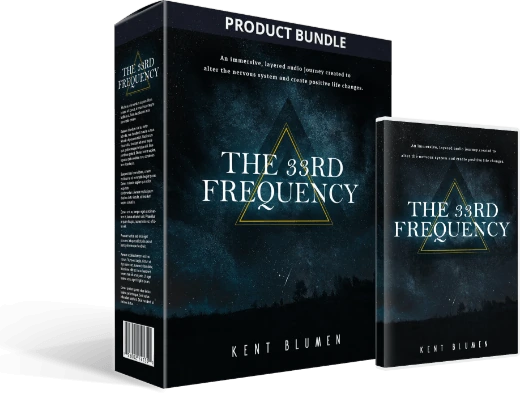
The 33rd Frequency is a single recording of about seven minutes that layers sounds and frequency elements. Its practical appeal is simplicity: one short session a day, no technique required. See how it works or the product overview.
Curious how The 33rd Frequency fits your day?
$47 one-time · instant access · 365-day guarantee from the seller
This article is for general education and is not medical, psychological or financial advice.